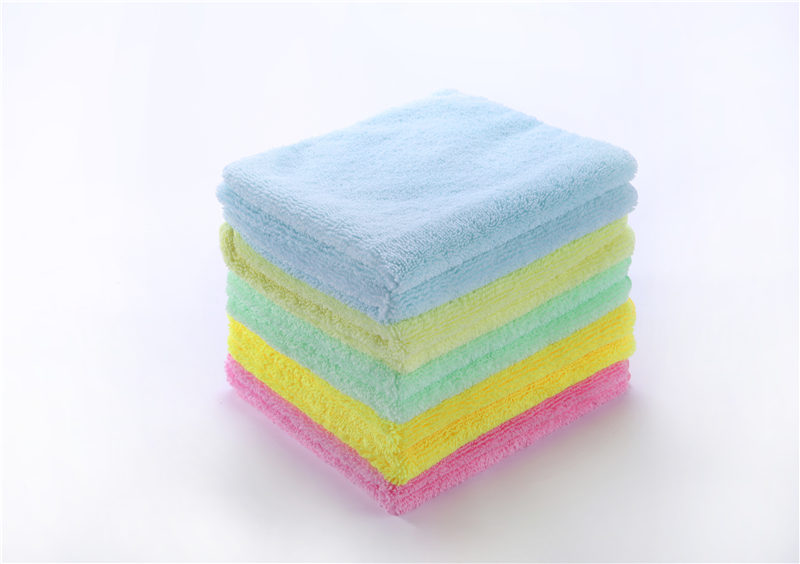
Microfiber Cleaning Cloth Manufacturer Guide: Production, Materials, and Standards

May. 20, 2026

In the competitive market of cleaning products, the Microfiber Cleaning Cloth Manufacturer plays a vital role in producing high-quality materials that meet industry standards. This guide will delve into the process of manufacturing microfiber cleaning cloths, the materials involved, and the standards for quality assurance that ensure the effectiveness and durability of these essential cleaning tools.

1. Understanding Microfiber: What Is It?

  • Definition of Microfiber: Learn about the composition of microfiber, which typically includes a blend of polyester and polyamide fibers.
  • Properties: Discuss the characteristics of microfiber, such as high absorbency, softness, and the ability to trap dirt and dust effectively.
  • Applications: Explore the various uses of microfiber cleaning cloths in different industries, including automotive, home cleaning, and electronics.

2. Key Materials Used in Microfiber Manufacturing

  • Types of Fibers:
    • Polyester: Discuss its resilience and durability.
    • Polyamide: Explain how it enhances water absorption and cleaning efficiency.
  • Weight and Density: Describe how the denier (fiber thickness) affects the cleaning performance of microfiber cloths.
  • Color and Texture: Analyze how different textures and colors can influence consumer choice and product functionality.

3. The Production Process of Microfiber Cleaning Cloths

  • Raw Material Sourcing: Outline how manufacturers source their materials, emphasizing the importance of quality and sustainability.
  • Spinning and Weaving: Detail the steps involved in transforming raw fibers into usable fabric.
  • Cutting and Finishing: Discuss the final stages of production, including treatments that enhance performance like anti-bacterial properties.

4. Standards for Quality Assurance

  • ISO and ASTM Standards: Review the relevant standards that govern microfiber cleaning cloth production and testing.
  • Performance Testing: Describe the techniques used to test absorbency, durability, and cleaning efficiency.
  • Certifications: Explain the importance of certifications such as Oeko-Tex® Standard 100 for ensuring non-toxic materials.

5. Sustainability Practices in Manufacturing

  • Eco-friendly Materials: Discuss alternatives to traditional polyester and polyamide, such as recycled fibers.
  • Waste Management: Describe how manufacturers can implement recycling programs within their production processes.
  • Energy Use: Provide insights on reducing energy consumption in manufacturing facilities.

6. Marketing and Selling Microfiber Cleaning Cloths

  • Target Audience Identification: Help manufacturers identify their primary markets such as households, businesses, and industries.
  • Branding Strategies: Discuss effective branding techniques that can highlight quality and environmental responsibility.
  • Online Presence: Emphasize the importance of e-commerce platforms and digital marketing in reaching customers effectively.

Strengthening Industry Knowledge: Resources and References

  • Refer to Jiuyuan for detailed specifications and product offerings, showcasing best practices in microfiber cloth manufacturing.
  • Utilize resources from the American Cleaning Institute and industry reports for additional insights on cleaning products.

IF YOU LIKE OUR PRODUCTS, PLEASE CONTACT US

By putting customers ahead, relying on high quality, benefiting from management and contributing to society, people at Kaiyuan are improving constantly with active innovation. We hope to be your companion on the road to success in the near future.

Mail address

SUBMIT

Contact Us

+ 86 319 6122 556

+86 159 3119 2573

+ 86 319 6122 556

sale01@chinajiuyuan.com

No.2 North Ring Road Economic Development Zone Wei County, Xingtai, Hebei, China. 051130

Copyright ©Hebei kaiyuan textile technology co.,Ltd. All Rights Reserved Sitemap | Powered by reanod

wechat