Jan. 15, 2026
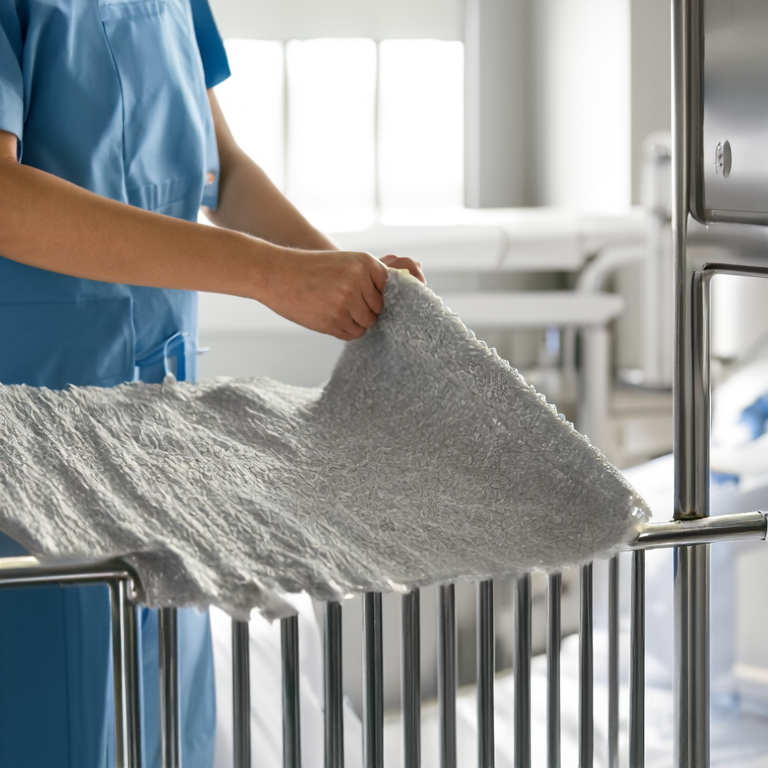
In an era where cleanliness and sanitation in healthcare settings are of utmost importance, microfiber cleaning towels have emerged as a critical tool for reducing cross-contamination in hospitals. These innovative cloths, made from synthetic fibers, are effective in capturing dirt, germs, and other contaminants, significantly enhancing hygiene practices. By implementing microfiber technology, hospitals can improve overall patient safety and reduce the risk of healthcare-associated infections (HAIs). This article delves into the advantages of microfiber cloths in hospitals, practical implementation steps, and best practices for optimal results.
What are Microfiber Cloths?
Microfiber cloths are composed of extremely fine synthetic fibers that are much smaller than a human hair. This structure allows them to absorb moisture and capture dirt and microorganisms effectively.
Why Hospitals Need Microfiber Cloths
Cross-contamination is a major concern in healthcare settings. Microfiber cloths provide an efficient means to clean surfaces without spreading bacteria and viruses, thus ensuring a safer environment for patients and staff.
Enhanced Cleaning Efficacy
Studies show that microfiber cloths can remove up to 99% of bacteria from surfaces when used correctly (source: CDC). This is significantly higher than traditional cleaning cloths.
Cost-effectiveness
While the initial investment may be higher, microfiber cloths are durable and can be laundered multiple times, resulting in long-term savings.
Environmentally Friendly
Microfiber cleaning towels reduce the need for chemical cleaners, making them a more sustainable choice for hospitals aiming to lower their environmental footprint.
Step 1: Evaluate Current Cleaning Practices
Assess the existing cleaning protocols within the hospital and identify areas where microfiber cloths can replace traditional cleaning tools.
Step 2: Invest in Quality Microfiber Cloths
Select high-quality microfiber towels designed for healthcare settings to ensure optimal cleaning performance and durability.
Step 3: Train Staff on Proper Use
Conduct training sessions to educate staff on the effective use of microfiber cloths, including cleaning techniques and protocols.
Step 4: Establish Laundry Guidelines
Implement specific laundry guidelines to maintain microfiber cloth cleanliness and ensure they do not become a source of contamination themselves.
Step 5: Monitor and Evaluate Outcomes
Regularly assess the cleaning outcomes to gauge the effectiveness of microfiber cloths in reducing cross-contamination. Use feedback to improve practices.
Utilize Color-Coding Systems
Implement a color-coding system for microfiber cloths to minimize the risk of cross-contamination between different areas (e.g., patient rooms vs. common areas).
Regular Inspection and Replacement
Conduct routine inspections of microfiber cloths and replace them regularly to ensure they remain effective and free from wear.
Incorporating microfiber cleaning towels into hospital practices is a proactive step every healthcare facility should consider. These cloths not only enhance cleaning efficacy but also contribute to a safer environment for patients and staff. With proper training and implementation, hospitals can significantly reduce the risks associated with cross-contamination, leading to improved patient outcomes and satisfaction.
Address Resistance to Change
Some staff may be initially resistant to switching from traditional cleaning methods. Engage them in discussions about the benefits and involve them in the implementation process to increase buy-in.
Longevity of Microfiber Products
Ensure that microfiber cloths are regularly evaluated for wear and tear, and maintain an adequate supply for uninterrupted cleaning processes.
IF YOU LIKE OUR PRODUCTS, PLEASE CONTACT US
By putting customers ahead, relying on high quality, benefiting from management and contributing to society, people at Kaiyuan are improving constantly with active innovation. We hope to be your companion on the road to success in the near future.
SUBMIT
+ 86 319 6122 556
+86 159 3119 2573
+ 86 319 6122 556
No.2 North Ring Road Economic Development Zone Wei County, Xingtai, Hebei, China. 051130