Choosing Microfiber Towels for Bath for a hotel is more than comparing the lowest unit price. Purchasing teams must balance guest comfort, absorbency, drying speed, laundry performance, appearance, delivery reliability, and total cost. This guide gives hotel buyers a practical, step-by-step method for selecting, testing, and ordering microfiber bath towels from a qualified supplier such as Kaiyuan.
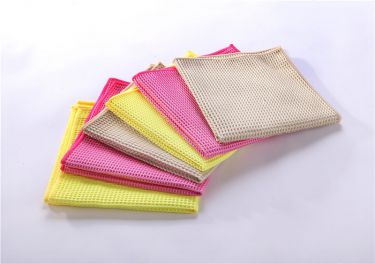
Start with the Hotel's Actual Towel Requirements
Define the hotel type and guest-use scenario
The right towel specification depends on the hotel environment. A city business hotel may prioritize quick drying and easy storage, while a resort, spa, or luxury property may require a softer and heavier towel.
- Budget and economy hotels: prioritize cost control, fast drying, and high replacement efficiency.
- Business hotels: prioritize consistent sizing, professional appearance, and rapid laundry turnover.
- Resorts and luxury hotels: prioritize softness, thickness, color stability, and premium presentation.
- Spa and wellness facilities: prioritize high absorbency, low lint, skin comfort, and frequent washing durability.
- Poolside and beach hotels: prioritize quick drying, colorfastness, and resistance to sunscreen, chlorine, and mineral deposits.
Calculate the number of towels required
Purchasing too few towels creates laundry bottlenecks and emergency replenishment costs. Purchasing too many increases storage expenses and ties up working capital. Begin with the number of rooms, expected occupancy, towel replacement policy, and laundry cycle time.
A basic planning formula is:
Required quantity = Number of rooms x Towels per room x Par level x Seasonal adjustment
- Number of rooms: include guest rooms, suites, staff areas, spas, and pool facilities.
- Towels per room: include the standard bath towel quantity and spare towels kept in the room.
- Par level: many hotels use three to five sets to cover towels in rooms, laundry, storage, and transport.
- Seasonal adjustment: increase the quantity for high occupancy periods, group bookings, and slow local laundry service.
Set the towel replacement and usage policy
Ask how often towels are replaced in each room and whether guests can request additional towels. A hotel with daily full replacement will need a stronger towel than a property using an optional towel reuse program.
- Estimate the average number of wash cycles per month.
- Record the maximum expected occupancy instead of using only the annual average.
- Separate guest-room, spa, pool, and housekeeping requirements.
- Keep a replacement reserve for stains, damage, lost items, and unexpected demand.
Choose the Correct Microfiber Towel Material and Construction
Check the microfiber fiber composition
Microfiber towels are commonly made from polyester, polyamide, or a blend of both. Polyester contributes strength, shape retention, and quick drying. Polyamide generally improves softness, absorbency, and tactile comfort.
- 80 percent polyester and 20 percent polyamide: practical for fast drying and controlled cost.
- 70 percent polyester and 30 percent polyamide: a balanced option for softness and absorbency.
- Higher polyamide content: suitable when a softer hand feel and greater water absorption are more important than the lowest price.
Do not rely only on the percentage printed on a product sheet. Request a sample and compare softness, water pickup, edge construction, lint, and drying behavior after washing.
Evaluate the fabric structure and surface
The surface design affects how the towel feels and performs. A dense looped or waffle structure can improve water pickup and airflow, while a smooth split-fiber surface may feel soft but may not provide the same bath towel experience as a highly absorbent looped design.
- Check whether the fibers are split and evenly distributed.
- Look for a dense, uniform surface without thin areas or visible gaps.
- Inspect the pile height and confirm that it is suitable for repeated hotel laundering.
- Check whether the towel sheds lint when rubbed against a dark fabric.
- Confirm that the surface does not snag easily on zippers, hooks, or laundry equipment.
Confirm size, weight, and GSM
Size and GSM must be evaluated together. GSM means grams per square meter and provides a useful indication of towel weight, but it does not independently guarantee softness or absorbency.
- Common bath towel sizes may range from approximately 70 x 140 cm to 90 x 180 cm.
- Medium-weight towels often provide a useful balance between drying speed and guest comfort.
- Higher-GSM towels can feel more luxurious but may take longer to dry and cost more to transport.
- Lower-GSM towels can reduce shipping weight but may feel less substantial and wear sooner.
- Specify acceptable size and weight tolerances in the purchase order.
For hotel supply projects, the most suitable choice is usually the towel that meets the required guest experience while completing the laundry cycle quickly. A very heavy towel is not automatically the best towel if it causes slow drying, higher energy use, and increased mildew risk.
Test Absorbency, Drying Speed, and Guest Comfort
Prepare the required testing tools
A basic purchasing evaluation does not require a laboratory, but the test must be consistent. Prepare the following tools before comparing samples:
- Digital weighing scale accurate to at least one gram.
- Measuring tape or ruler.
- Clean water at a consistent temperature.
- Graduated measuring container.
- Stopwatch or smartphone timer.
- Flat drying rack or clean hanging rail.
- Dark cotton fabric for lint inspection.
- White cloth for checking color transfer.
- Washing machine or access to the hotel's commercial laundry.
- Inspection sheet for recording each sample result.
Perform a dry weight and water absorption test
Use the same test method for every supplier. Testing one towel from each sample is not enough for a large project, so test several pieces from different cartons or production batches when possible.
- Label each sample with the supplier name, material composition, size, and stated GSM.
- Condition the samples in the same room for several hours.
- Weigh each dry towel and record the result.
- Place the towel in a measured quantity of clean water for a fixed period.
- Remove the towel without squeezing or twisting it.
- Allow excess water to drip for the same number of seconds for every sample.
- Weigh the wet towel and record the result.
- Calculate water pickup by subtracting dry weight from wet weight.
- Repeat the test at least three times and calculate the average.
Compare the results with the towel's intended use. A hotel towel should absorb water quickly without becoming excessively heavy, difficult to transport, or slow to dry.
Measure drying performance
Drying speed directly affects laundry capacity, energy cost, and odor control. Two towels with similar absorbency may perform very differently in a commercial dryer or a humid storage room.
- Wet each towel using the same amount of water.
- Remove excess water using the same spin cycle or standardized draining method.
- Hang the towels with equal spacing in the same environment.
- Record the starting weight and temperature.
- Weigh the towels at fixed intervals, such as 30, 60, and 120 minutes.
- Record the time required for the towel to return close to its original dry weight.
- Repeat the test in a normal laundry environment and in the hotel's storage environment.
Evaluate softness and guest comfort after washing
A towel can feel soft when new but become stiff or rough after repeated washing. Always test the samples after several commercial laundry cycles.
- Wash samples using the hotel's normal detergent and water temperature.
- Use the same drying method used for production towels.
- Check the towel before washing and after at least five to ten wash cycles.
- Inspect whether the surface becomes rough, matted, or uneven.
- Ask housekeeping staff to handle the samples and record practical feedback.
- Ask a small group of appropriate testers to compare softness without seeing the supplier name.
Verify Durability and Laundry Compatibility
Inspect the seams, hems, and edges
Many hotel towel failures begin at the edges rather than in the main fabric. Weak hems can unravel during industrial washing, pressing, folding, or transport.
- Inspect the number and evenness of edge stitches.
- Look for secure corner construction without loose threads.
- Check whether the binding is flat and comfortable against the skin.
- Pull gently at the seams to identify weak areas.
- Confirm that the edge design remains stable after washing.
Run a repeated washing and drying trial
Before approving a large order, conduct a controlled trial that reflects actual hotel laundry conditions.
- Record the towel dimensions, dry weight, color, and appearance before testing.
- Wash the samples with a representative load of hotel linens.
- Use the hotel's normal detergent, water temperature, wash time, and spin speed.
- Dry the samples using the normal commercial dryer setting.
- Repeat the process for the planned number of trial cycles.
- Measure shrinkage in length and width after drying.
- Record color fading, seam damage, lint, odor, and changes in softness.
- Compare the results with the supplier's quality specifications.
Check resistance to common hotel chemicals
Hotel towels may be exposed to detergents, oxygen bleach, chlorine bleach, fabric softeners, body oils, cosmetics, sunscreen, and pool chemicals. The supplier should state which chemicals the towel can safely tolerate.
- Confirm whether chlorine bleach is permitted.
- Ask whether oxygen bleach affects the color or fiber structure.
- Check whether fabric softener reduces absorbency.
- Test dark or bright colors for fading and transfer.
- Ask for washing instructions that match the hotel's equipment.
Compare Color, Appearance, Safety, and Sustainability
Select colors that support hotel operations
Color is part of the hotel's visual identity, but it also affects sorting, stain visibility, and replacement management.
- White towels are easy to bleach and present a clean, standardized appearance.
- Light colors can support brand styling but may show makeup, oils, and stains more clearly.
- Dark colors may conceal stains but can fade, bleed, or require separate laundry handling.
- Custom colors should be approved using a physical color sample rather than a screen image.
- All production lots should be checked for shade consistency.
Review safety and compliance documents
Request documentation before approving a supplier. The exact requirements depend on the destination market, customer policy, and intended use, but purchasing teams should verify the following information:
- Fiber composition and product specification sheet.
- Colorfastness and shrinkage test results.
- Restricted substance or chemical safety documentation when required.
- Factory quality control procedures.
- Packaging and labeling details.
- Country-of-origin and customs information.
- Relevant textile or environmental certifications when required by the hotel group.
Assess environmental and operational benefits
Microfiber towels can offer fast drying and lower laundry handling weight, but environmental performance must be evaluated across the full product life cycle.
- Compare drying time and energy consumption with the hotel's existing towels.
- Ask about recycled fiber options and certification evidence.
- Use washing procedures that reduce unnecessary heat, detergent, and water use.
- Ask the supplier about packaging reduction and carton optimization.
- Consider service life and replacement frequency instead of evaluating only the purchase price.
Calculate Total Cost and Confirm Supplier Capability
Compare total landed cost instead of unit price
The lowest quotation may not be the lowest project cost. Calculate all expenses from production through hotel use.
- Product price per towel.
- Custom color, logo, label, or packaging charges.
- Sample and development fees.
- Domestic transport to the port or warehouse.
- International freight and insurance.
- Import duties, taxes, and customs clearance.
- Inspection fees and payment charges.
- Storage and handling costs.
- Estimated laundry, drying, and replacement costs.
A useful comparison is the cost per usable wash cycle:
Cost per usable cycle = Total delivered cost divided by expected service cycles
This calculation helps purchasing teams compare a low-cost towel that fails early with a more durable towel that remains usable for a longer period.
Verify the supplier's production and quality control process
A supplier must be able to reproduce the approved sample in every production batch. Ask specific questions rather than relying on general claims.
- What is the monthly production capacity?
- What is the minimum order quantity for stock and custom production?
- How are raw materials inspected before production?
- How is GSM checked during weaving and finishing?
- How are dimensions, color, seams, and packaging inspected?
- Can the factory provide pre-shipment inspection or third-party inspection?
- How are defective products handled?
- Can the supplier maintain the same material and color for repeat orders?
- What is the normal production lead time during peak seasons?
Confirm logistics and replenishment planning
Hotel projects often fail because the towels arrive after the opening date or because repeat orders cannot match the original product. Confirm the supply plan in writing.
- Request a production schedule based on the hotel opening date.
- Allow time for sample approval, color approval, production, inspection, and shipping.
- Order critical stock before the peak manufacturing season.
- Keep an approved reference sample for future comparison.
- Record the exact product code, material blend, size, GSM, color, and packaging method.
- Agree on the acceptable tolerance for size, weight, color, and defects.
Follow a Step-by-Step Purchasing and Approval Process
First step: Write the project specification
Create one specification sheet before contacting suppliers. This prevents inconsistent quotations and makes supplier comparison easier.
- Hotel type and intended use.
- Towel size and target GSM.
- Fiber composition.
- Color and branding requirements.
- Required absorbency and drying expectations.
- Estimated quantity and delivery schedule.
- Packaging and labeling requirements.
- Required documents and inspection standards.
Second step: Shortlist qualified suppliers
Compare suppliers based on product capability, communication, production capacity, quality control, and delivery reliability. A supplier that answers technical questions clearly is usually easier to manage during a large project.
Third step: Request and label samples
Request samples that match the proposed production specification. Keep the supplier's product information with each sample and avoid evaluating unmarked samples that could later be confused.
Fourth step: Test the samples
Measure dimensions and weight, test absorbency and drying speed, inspect seams, and run repeated laundry cycles. Record both numerical results and comments from housekeeping staff.
Fifth step: Approve the product and reference sample
Approve one physical sample as the production reference. The approval should identify the exact composition, dimensions, GSM, color, logo, packaging, and acceptable tolerances.
Sixth step: Review the quotation and total cost
Compare complete delivered costs rather than only the ex-factory price. Confirm payment terms, lead time, minimum order quantity, replacement policy, and inspection arrangements.
Seventh step: Place a controlled initial order
For a new supplier, consider a controlled first order or staged delivery when the project schedule allows it. This reduces the risk of discovering a production problem after the entire quantity has been manufactured.
Eighth step: Inspect before shipment
Inspect cartons, quantity, dimensions, weight, color, labels, stitching, and visible defects. Compare production goods with the approved reference sample before authorizing shipment.
Ninth step: Conduct a hotel trial after delivery
Use the towels in selected rooms or departments before full deployment. Collect feedback from guests, housekeeping, laundry staff, and management.
Tenth step: Review performance and reorder
After the first operating period, review absorbency, drying time, shrinkage, color stability, damage rate, and replacement frequency. Use the results to confirm or revise the next order.
Avoid Common Mistakes When Buying Hotel Microfiber Bath Towels
Mistake one: Choosing only by the lowest price
A low quotation may reflect lower GSM, weaker seams, shorter service life, or higher transport and replacement costs. Compare cost per usable cycle and total landed cost.
Mistake two: Treating GSM as the only quality measurement
GSM indicates weight, not complete performance. Always test absorbency, softness, drying speed, fiber composition, and durability after washing.
Mistake three: Skipping commercial laundry tests
Household washing cannot accurately represent hotel laundry. Industrial temperatures, detergents, spin speeds, dryers, and loading conditions can expose problems that are invisible in a small home test.
Mistake four: Approving a screen color without a physical sample
Monitor settings and lighting can make the same color appear different. Approve a physical color swatch and define the acceptable shade range.
Mistake five: Ignoring shrinkage and size tolerance
A towel that meets the size requirement before washing may become too small after repeated laundering. Measure samples before and after the laundry trial.
Mistake six: Failing to protect absorbency during washing
Excessive fabric softener can coat microfiber and reduce water pickup. The hotel's laundry team should follow the supplier's care instructions and monitor detergent dosage.
Mistake seven: Ordering without a replacement plan
Hotels need repeat orders for damaged, stained, or lost towels. Keep the approved sample, product code, color reference, and technical specification for future replenishment.
Mistake eight: Leaving quality standards out of the purchase order
Verbal agreements are difficult to enforce. Include material composition, size, GSM, color, stitching, packaging, inspection requirements, defect limits, and replacement terms in the written order.
Use a Final Approval Checklist Before Ordering
Product performance checklist
- Does the towel meet the required size and weight tolerance?
- Is the fiber composition confirmed?
- Does it absorb water quickly and evenly?
- Does it dry within the hotel's laundry schedule?
- Does it remain soft after repeated washing?
- Are the seams, hems, and corners secure?
- Is lint within an acceptable level?
- Is the color stable and consistent?
Commercial checklist
- Is the total landed cost understood?
- Is the minimum order quantity suitable for the project?
- Can the supplier meet the delivery date?
- Are repeat orders possible with the same specification?
- Are inspection and defect replacement terms written into the contract?
- Are packaging, labels, and carton marks approved?
- Has the supplier provided the required compliance documents?
- Has the purchasing team retained an approved reference sample?
For hotel supply projects, the best Microfiber Towels for Bath are not simply the thickest or cheapest options. They are the towels that deliver reliable absorbency, fast drying, guest comfort, stable appearance, laundry durability, and predictable supply at an acceptable total cost. By following this process and working with a capable supplier such as Kaiyuan, purchasing teams can reduce quality risks and select Microfiber Towels for Bath that perform consistently from the first guest stay to the final wash cycle.