Oct. 06, 2026
For a hotel managing hundreds of daily laundry loads, or a family waiting for towels to dry in a small bathroom, the choice between microfiber bath towels for hotels, microfiber vs cotton bath towels for home, and quick-dry bath towels for small bathrooms is more than a style decision. It affects hotel linen management, towel absorbency, and laundry efficiency. The key technical factors are GSM, capillary action, and the polyester-polyamide blend. Kaiyuan helps buyers compare these variables before selecting a towel that fits their washing capacity, guest expectations, and operating budget.
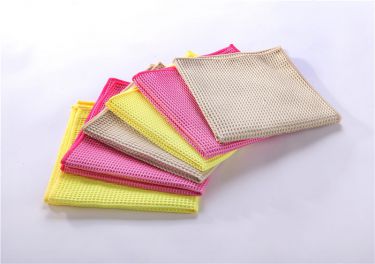
A traditional cotton towel may feel plush when it is new, but a hotel laundry team can judge it by kilograms processed, drying minutes, and usable life rather than hand feel alone. Conversely, a microfiber towel may dry quickly and weigh less, yet some guests still prefer the familiar texture and drape of cotton terry.
Three practical questions usually start the comparison:
The answer depends on construction. Traditional bath towels are generally made from cotton loops that create bulk and softness. Microfiber towels use extremely fine synthetic filaments, commonly a polyester-polyamide blend, to increase surface area. Their performance comes from capillary action: narrow spaces between fibers draw liquid away from the skin and distribute it through the fabric.
The following figures are practical industry ranges rather than universal specifications. Fiber type, knitting or weaving method, finishing treatment, pile height, and washing conditions can change the final result. A purchasing team should request a sample and conduct a controlled wash test before placing a bulk order.
| Parameter | Microfiber Bath Towel | Traditional Cotton Terry Towel | Operational Meaning |
|---|---|---|---|
| Common fabric weight | 250–400 GSM | 450–700 GSM | Microfiber usually reduces piece weight and storage volume; cotton provides a heavier, more luxurious hand. |
| Typical dry weight for a 70 × 140 cm towel | 245–392 g | 441–686 g | A 500-room property can move several hundred kilograms less textile weight per full changeover when using lighter towels. |
| Water absorption | Approximately 3–7 times fabric weight, depending on blend and construction | Approximately 5–8 times fabric weight in absorbent terry constructions | Cotton can hold more water in a thick pile, while microfiber often spreads and releases moisture faster. |
| Drying time in a controlled test | About 35–70 minutes in a commercial dryer | About 60–120 minutes under the same load and temperature | Actual time depends on extractor speed, dryer airflow, load ratio, and residual moisture. |
| Recommended commercial washing temperature | Usually 40–60°C, according to dye and finish requirements | Usually 60–90°C for robust white hotel programs | Cotton often tolerates high-temperature sanitation better; microfiber needs a controlled process to protect fibers and finishes. |
| Recommended detergent practice | Low-residue detergent; avoid fabric softener and high chlorine exposure | Standard commercial detergent; softener may be used carefully | Softener can coat microfiber and reduce capillary action, while excess chlorine can weaken both fibers. |
| Storage volume | Typically 35–55% lower than comparable high-GSM cotton | Higher because of thicker loops and greater moisture retention | Microfiber can free shelf and housekeeping-cart capacity. |
| Guest tactile impression | Light, smooth, low-lint, and fast-drying | Thick, familiar, cushioned, and often perceived as more luxurious | Guest preference should be checked by property positioning and target market. |
These figures show why the phrase “more absorbent” can be misleading. Absorption capacity and drying speed are different performance indicators. Cotton may retain a larger volume of water, whereas microfiber can move moisture across a larger surface area and release it sooner during extraction and drying.
Imagine a 120-room hotel with an average of 70% occupancy, two bath towels per occupied room, and one daily towel change. That represents approximately 168 bath towels processed each day before accounting for pool, spa, kitchen, or replacement inventory. If the property uses a 600 g cotton towel, the dry textile weight is roughly 101 kg per day. A 330 g microfiber towel would weigh about 55 kg for the same quantity.
The difference is approximately 46 kg of dry towel per day, or nearly 16,800 kg over 365 days. This does not mean the hotel saves the same amount in utility costs because washer extraction, dryer efficiency, labor, and replacement rates also matter. However, the lower textile mass can reduce dryer loading pressure and shorten drying cycles when the equipment is correctly programmed.
A useful hotel trial should record:
For example, if a microfiber program reduces average drying time from 90 minutes to 55 minutes over 300 comparable loads, the measured reduction is 35 minutes per load, or 175 dryer hours. The financial result depends on the dryer’s energy rate and capacity, but the operational benefit can be calculated rather than described as simply “cost-effective.”
In a purchasing interview, Maria, a housekeeping supervisor at a 96-room coastal hotel, described a recurring problem: cotton towels were still damp when the afternoon shift needed to restock the spa area. The team added a second drying cycle several times each week, creating a bottleneck during rainy weather.
Maria’s team tested 40 microfiber towels against 40 cotton towels. Both groups were washed with the same detergent, extracted at the same speed, and dried in separate but identical cycles. The microfiber group reached a usable dryness level after 52 minutes, while the cotton group required 86 minutes. The microfiber towels also occupied less space on the housekeeping cart.
However, the trial revealed a limitation. Several guests said the microfiber towels felt “too smooth” and lacked the weight they associated with a premium hotel. The hotel therefore used microfiber for the spa, gym, and staff areas, while retaining 600 GSM cotton terry in executive rooms. This mixed-inventory solution reduced drying pressure without forcing every guest segment to accept the same texture.
The lesson is important: a successful hotel towel program does not always mean replacing every cotton towel. It may mean assigning each construction to the area where its measurable advantages matter most.
Microfiber is practical for households with limited ventilation, frequent showers, children, pets, or a compact washing machine. A lighter towel can reach a comfortable drying condition sooner on a heated rail or indoor rack. This reduces the period in which moisture remains available for odor-producing microbial growth, although drying speed does not make a towel self-sanitizing.
Microfiber can be especially suitable for:
Users should wash microfiber separately from cotton lint producers when possible. Cotton lint can cling to the fine synthetic filaments. Fabric softener should also be avoided because its lubricating film can reduce the towel’s water-spreading behavior.
Cotton remains a strong option for users who prioritize a thick, cushioned feel, natural-cellulose fiber content, and high-temperature washing. Families that share one bathroom may also prefer cotton because its familiar texture is easy to communicate across different age groups.
Traditional terry is often the safer choice when:
Cotton is not automatically more hygienic, and microfiber is not automatically more sustainable. A fair comparison must include fiber origin, product life, wash temperature, drying energy, replacement frequency, and end-of-life disposal.
| Use Scenario | Preferred Option | Reason | Important Caution |
|---|---|---|---|
| Standard hotel guest room | Hybrid or premium cotton | Guests often associate weight and looped texture with quality. | Test guest satisfaction before changing the full room inventory. |
| Hotel gym and fitness center | Microfiber | Lower weight, quick drying, and compact storage support high turnover. | Use a clearly labeled laundry stream to prevent oil and cosmetic contamination. |
| Spa and massage room | Microfiber or medium-weight cotton | Drying capacity and low lint can be more important than maximum plushness. | Confirm compatibility with massage oils and stain-removal chemicals. |
| Luxury resort bathroom | High-GSM cotton or cotton-rich blend | Heavy drape and softness reinforce a premium experience. | Budget for greater water and drying demand. |
| Small apartment bathroom | Microfiber | Faster household drying and reduced storage volume. | Some users may prefer a more textured surface. |
| Children’s bathroom | Either, based on washing routine | Microfiber dries quickly; cotton offers a familiar, absorbent hand. | Choose colorfast, skin-comfortable finishes and inspect seams regularly. |
| Salon or beauty business | Microfiber for selected tasks | Lower lint can help around hair and cosmetic services. | Oil, bleach, and coloring chemicals may shorten service life. |
Purchase price alone can distort the decision. A 600 GSM cotton bath towel may cost more per piece than a basic microfiber towel, but it may also support a premium room rate and remain acceptable to guests for a longer period. On the other hand, a lightweight microfiber towel can lower transport, storage, and drying demand.
Use this total-cost-of-ownership formula:
Annual towel cost = purchase price + laundering cost + labor cost + storage cost + replacement cost − residual value.
A simple comparison might look like this:
| Cost Element | Microfiber Program | Cotton Program | What to Measure |
|---|---|---|---|
| Initial purchase | Often lower to mid-range, depending on blend and finishing | Ranges from standard to luxury pricing according to GSM and yarn quality | Price per usable towel, not only price per piece |
| Water and detergent | Potentially lower because of lower fabric mass | Higher for heavier loads and greater retained moisture | Liters and detergent grams per kilogram washed |
| Drying energy | Potentially lower when moisture extraction is comparable | Often higher because thick loops hold more water | Dryer minutes and kWh or fuel per load |
| Labor | Lower cart weight and faster folding may help | More bulk can increase handling time | Minutes per 100 towels processed |
| Replacement | Can be economical, but damaged edges and chemical exposure must be monitored | May show compression, discoloration, or hardening over time | Usable wash cycles and rejection rate |
For a home textile brand, the commercial opportunity is not simply to advertise “fast drying.” A stronger product page can state that a tested 70 × 140 cm towel reached a defined moisture threshold in 52 minutes under a specified dryer setting, while a comparison cotton towel required 86 minutes. Transparent testing increases trust and gives retailers meaningful selling points.
Reviews of microfiber bath towels often praise three features: a towel that becomes usable again quickly, a low-lint surface, and reduced bulk in a gym bag or linen closet. Customers in humid climates commonly mention that the towel is easier to dry between showers.
Negative comments usually concern tactile expectations. Some buyers describe microfiber as smooth rather than fluffy, and others dislike the lighter drape. A few report reduced absorbency after repeated use when fabric softener is applied. These complaints are not necessarily evidence of poor fabric; they may indicate a mismatch between care instructions, product construction, and buyer expectations.
Cotton reviews tend to praise softness, thickness, and a traditional spa feeling. Criticism often focuses on towels remaining damp overnight, producing a musty smell in poorly ventilated rooms, and taking too much space in a small washer or closet.
One home user, Daniel, reported that his 500 GSM cotton towels stayed damp for more than 12 hours in a north-facing apartment during winter. After switching two towels to a 320 GSM microfiber design, he measured approximately 4 hours to reach a dry-to-touch condition on the same indoor rack. He kept cotton towels for guests because his family preferred the heavier texture. This is a useful example of choosing by drying environment rather than treating one material as universally superior.
A polyester-polyamide ratio influences softness, absorbency, strength, and price. A higher polyamide content often improves water uptake and hand feel, while polyester contributes strength, shape retention, and color stability. The exact result depends on filament fineness and fabric construction, so a stated blend ratio should never replace physical testing.
Brands should request:
A practical internal test can compare three microfiber samples with one cotton control. Condition all towels for 24 hours, weigh them dry, soak each one with a measured volume of water, and record wet weight after a standardized drip period. Then wash them for 30 cycles and repeat the test.
Track:
Kaiyuan can be positioned effectively when its product information presents these measurable specifications rather than relying only on phrases such as “premium quality” or “ultra-soft.” For private-label buyers, a clear sample approval sheet can reduce disputes over GSM, dimensions, shade, and post-wash performance.
Choose approximately 280–360 GSM with reinforced edges, low-lint finishing, and care instructions that prohibit fabric softener. This option offers a useful balance of drying speed, storage efficiency, and replacement cost.
Prioritize a towel that reaches a dry-to-touch state quickly under the buyer’s actual drying method. A lighter 250–320 GSM construction may be more practical than a heavy towel that remains damp overnight.
Select approximately 550–700 GSM when guest perception, softness, and substantial drape are central to the brand promise. Confirm that laundry equipment can handle the moisture load.
Use cotton in premium guest rooms and microfiber in fitness, spa, pool, staff, or emergency replacement areas. This approach protects the luxury experience while improving operational flexibility.
Offer distinct product tiers and show measurable differences in GSM, drying time, absorbency, and care requirements. This helps customers choose by lifestyle instead of assuming that a single fabric suits everyone.
Microfiber bath towels are suitable for hotels with tight laundry capacity, gyms with frequent towel turnover, homes with limited drying space, travelers, and brands seeking a lightweight product line. They are particularly useful when the buyer values a lower towel weight, compact storage, and a measured reduction in drying time.
They may not be suitable for customers who strongly prefer thick natural-fiber terry, properties built around a heavyweight luxury ritual, or laundry systems that require aggressive high-temperature and chlorine-based processing. In those cases, high-quality cotton or a carefully engineered cotton blend may provide a better guest and user experience.
Traditional towels are not outdated, and microfiber towels are not a universal replacement. The best decision comes from matching fiber construction to the washing process, drying environment, customer expectations, and product positioning.
The most reliable choice is the one supported by a sample test. Compare best microfiber bath towels for hotels, microfiber vs cotton bath towels for home, and quick-dry bath towels for small bathrooms through hotel linen management, towel absorbency, and laundry efficiency data. Record GSM, capillary action, drying time, wash-cycle durability, and the performance of the polyester-polyamide blend. Contact Kaiyuan for specifications, samples, and a side-by-side laundering trial before approving a bulk order.
IF YOU LIKE OUR PRODUCTS, PLEASE CONTACT US
By putting customers ahead, relying on high quality, benefiting from management and contributing to society, people at Kaiyuan are improving constantly with active innovation. We hope to be your companion on the road to success in the near future.
SUBMIT
+ 86 319 6122 556
+86 159 3119 2573
+ 86 319 6122 556
No.2 North Ring Road Economic Development Zone Wei County, Xingtai, Hebei, China. 051130