Oct. 02, 2026
Microfiber Pet Products are increasingly popular with pet owners and professional groomers who want faster drying, less mess, and a more comfortable bathing routine. The main question is whether microfiber pet towels offer enough practical advantages over regular cotton towels to justify choosing them. This comparison examines absorbency, drying speed, comfort, durability, cleaning, stability during use, cost, and the needs of different purchasing groups.
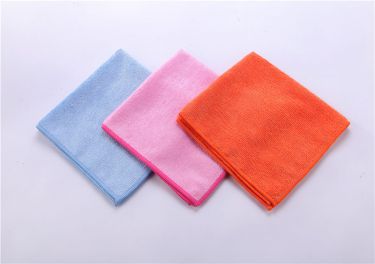
Microfiber consists of very fine synthetic fibers that create a large surface area for collecting water. When the towel is pressed and squeezed against wet fur, the fibers pull moisture away from the coat instead of simply spreading water across the surface.
Regular towels, especially standard cotton bath towels, absorb water well but often become saturated quickly. Once saturated, they may need to be wrung out or replaced before the pet is fully dry. Microfiber towels usually remain easier to handle during this process because they absorb a large amount of water relative to their weight.
Regular towels are not ineffective. A thick cotton towel can absorb a substantial amount of water, particularly from short-haired dogs and cats. Cotton also has a familiar texture and is widely available in different sizes and weights.
However, cotton towels tend to hold more water inside the fabric after saturation. This makes them heavier during grooming and slower to dry after washing. For a large dog, several cotton towels may be needed for one bath, while a smaller number of microfiber towels may complete the same job.
Buyers should evaluate more than color and size. The construction of the towel determines whether it will remain useful after frequent washing, repeated squeezing, and contact with shampoo residue.
| Parameter | Microfiber pet towel | Regular cotton towel | Practical purchasing meaning |
|---|---|---|---|
| Fiber type | Fine polyester and polyamide fibers | Usually cotton or cotton blend | Microfiber generally provides a larger water-contact surface. |
| Water absorption | High for its weight and size | Moderate to high, depending on fabric density | Microfiber is often more efficient for wet coats. |
| Drying speed | Usually fast when spread out | Often slower, especially when thick | Fast drying reduces odor and laundry delays. |
| Weight when wet | Light to moderate | Moderate to heavy | Lower weight is easier for home users and groomers. |
| Handling stability | Good when the towel has a textured surface or corner pockets | Good at first but may become heavy and slip when saturated | Grip features matter during active drying. |
| Softness | Soft when properly finished and washed | Soft but may become rough if over-dried | Both can be comfortable when the fabric is well maintained. |
| Lint production | Usually low | May produce lint, especially when new or worn | Low lint is useful for dark coats and sensitive eyes. |
| Durability | Good with proper washing and moderate heat | Good, but repeated high-heat drying can weaken fibers | Reinforced edges improve the service life of either type. |
| Portability | Compact and lightweight | Bulkier when folded | Microfiber is more convenient for travel and mobile grooming. |
| Odor control | Dries quickly but can retain odor if stored damp | May remain damp longer and develop odor more easily | Both require prompt washing and complete drying. |
| Power requirement | No battery or electricity required | No battery or electricity required | Drying performance depends on fabric, pressure, airflow, and coat type. |
Towels do not use batteries, motors, or charging systems. Therefore, battery life is not a purchasing factor in the same way it is for a pet dryer or grooming vacuum. The equivalent practical factors are water capacity, drying time, wringing effort, and how quickly the towel becomes ready for the next use.
A microfiber towel can often be used, squeezed, and reused during the same grooming session. Its fast air-drying behavior also makes it suitable for households that bathe pets frequently. A thick cotton towel may provide strong initial absorption but can become inconvenient when the user needs to dry several pets in sequence.
Short-haired dogs and cats usually release water quickly after bathing. A microfiber towel can remove surface water with a few firm presses and a short wiping motion. The lightweight construction is helpful when drying a small pet on a countertop or in a confined bathroom.
For short coats, the difference between microfiber and cotton may be less dramatic than it is for long coats. Buyers who already own several cotton towels may not need to replace all of them. A single microfiber towel can serve as the first drying layer, followed by a regular towel if additional warmth is needed.
Long-haired dogs, double-coated breeds, and thick-coated cats hold water beneath the outer coat. Surface wiping alone is not enough. The user must press the towel into the coat, work in sections, and replace or wring out the towel when it becomes saturated.
Microfiber is usually more efficient in this situation because the fine fibers make contact with more of the coat. It can reduce the amount of water that later needs to be removed with a dryer. Even so, a microfiber towel cannot replace a suitable pet dryer for dense coats. It is a preparation tool that shortens the drying process.
A towel that absorbs well but slips constantly can make grooming frustrating. Pets often shake, turn, or attempt to leave during drying. The user therefore needs a towel that remains manageable when wet.
Microfiber towels with a textured surface, generous dimensions, reinforced stitching, or corner pockets generally offer better control. Some designs allow the user to place a hand inside a corner, which improves grip while drying the shoulders and legs. A smooth, thin towel without reinforced edges may slide more easily.
Cotton towels can feel stable when dry because their heavier fabric stays in place. Once saturated, however, the added weight may cause the towel to drag across the coat or fall from the user's hands. A thick cotton towel may also be difficult to wrap securely around a small pet.
Regular towels are a practical choice for buyers who want low initial cost, easy local replacement, and a familiar fabric. They are also useful as outer wrapping towels because cotton provides warmth and a substantial feel after the main moisture has been removed.
For rescue groups, shelters, and high-volume facilities, cotton towels may be attractive because they can be purchased in bulk and used for general cleanup. Their disadvantages become more noticeable when storage space, laundry capacity, and drying time are limited.
Proper care is essential because grooming towels collect fur, skin oils, shampoo residue, and outdoor dirt. Wash microfiber towels separately from items that release large amounts of lint whenever possible.
Fabric softener can coat the fine fibers and reduce their ability to collect water. High heat can also harden or deform the material. These problems are often mistaken for poor product quality when they are actually caused by unsuitable laundry practices.
Cotton towels can usually tolerate regular washing, but thick versions take longer to dry. If they are folded or placed in a closed laundry basket while damp, they may develop a musty smell. This is especially important for multi-pet households and professional grooming businesses.
Buyers should consider whether they have enough space for hanging, washing, and storing several large cotton towels. A towel that is inexpensive to purchase may cost more in time, laundry loads, and storage over its service life.
Microfiber is a strong option for households that bathe pets regularly, live in small apartments, travel with pets, or want to reduce laundry volume. Its light weight is convenient for owners who have difficulty handling a heavy wet towel.
Professional groomers need towels that perform consistently across different breeds and can withstand frequent washing. A microfiber towel with reliable stitching, colorfast fabric, and quick drying can improve workflow between appointments.
Professional users should test the towel on several coat types before making a large purchase. The most important observations are how much water the towel removes during the first pass, whether it remains easy to grip when wet, and whether the edges stay intact after repeated laundering.
Regular towels remain suitable for people who bathe a pet only occasionally, already have a large supply of cotton towels, or prefer natural-feeling fabric. They can also serve as backup towels, floor protection, crate liners, or warming wraps.
For occasional use, the lower replacement cost may be more important than fast drying. However, buyers should avoid using old towels with loose loops, rough surfaces, strong detergent residue, or frayed edges because these conditions can irritate the coat and reduce drying efficiency.
Pets with allergies, skin irritation, or anxiety may react to rough fabric, excessive rubbing, or strong laundry fragrances. The best choice is a clean, soft towel with no loose threads and no strong chemical scent.
Regardless of material, drying should be performed with gentle pressing rather than forceful scrubbing. The face, ears, paws, and areas around skin folds require particular care. A smaller towel often provides better control than one oversized towel.
A small towel is easier to control around a cat, puppy, or small dog. A medium towel is suitable for many short-haired adult dogs. Large dogs and dense coats usually require a larger towel or several medium towels so that the user can rotate to a dry section.
Oversized towels are not always better. If the towel touches the floor, becomes difficult to wring out, or causes the user to lose control, the extra fabric may reduce convenience. The best size is large enough to cover the working area but manageable throughout the entire session.
The purchase price is only one part of value. Buyers should also consider the number of towels needed per bath, drying time, replacement frequency, washing requirements, and available storage space.
A durable microfiber towel may cost more than a basic cotton towel at first but can reduce the quantity required for each grooming session. A cotton towel may be more economical for occasional use, while microfiber often provides better long-term convenience for frequent grooming.
Many users do not need to choose only one material. A practical routine is to use microfiber for rapid water removal and cotton for wrapping or warmth. This approach combines the absorbency and quick handling of microfiber with the familiar weight and softness of cotton.
This layered method is particularly useful for thick-coated dogs, nervous pets, and households that want to limit the use of high heat from a dryer.
Purchasing decisions are usually driven by practical concerns rather than material terminology. Pet owners want to dry the animal quickly, avoid a wet bathroom, prevent unpleasant odors, reduce laundry work, and keep the pet comfortable. Groomers also need stable handling, consistent performance, and towels that survive repeated use.
For most frequent grooming routines, a well-made microfiber towel provides the better balance of absorption, handling, portability, and drying speed. Regular towels remain valuable as backup and wrapping towels, but they may require more storage, washing, and drying time. By selecting suitable Microfiber Pet Products from a reliable manufacturer such as Kaiyuan, pet owners and groomers can create a cleaner, faster, and more comfortable drying routine for both pets and people.
IF YOU LIKE OUR PRODUCTS, PLEASE CONTACT US
By putting customers ahead, relying on high quality, benefiting from management and contributing to society, people at Kaiyuan are improving constantly with active innovation. We hope to be your companion on the road to success in the near future.
SUBMIT
+ 86 319 6122 556
+86 159 3119 2573
+ 86 319 6122 556
No.2 North Ring Road Economic Development Zone Wei County, Xingtai, Hebei, China. 051130