Custom yoga towels help studios, gyms, and sports brands improve hygiene and build brand identity. The best product combines a microfiber yoga towel, a non-slip yoga towel surface, and a custom sports towel design. Buyers also need clear information about size, weight, printing, packaging, minimum order quantity, and lead time before placing a factory order.
This guide explains custom yoga towels manufacturing in simple steps. It compares common materials, shows practical size choices, and explains which design options work for wholesale buyers. It also answers common questions about quality, private labeling, samples, and production control.
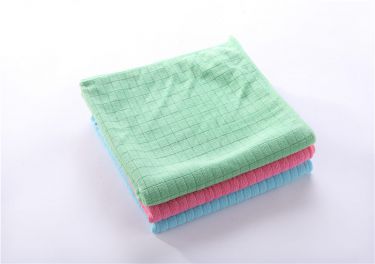
1. Why Custom Yoga Towels Are Valuable for Buyers
Yoga towels are used during hot yoga, Pilates, fitness training, travel, and outdoor exercise. They absorb sweat from the face, hands, and body. A branded towel can also work as a low-cost marketing product for a studio or sports retailer.
For overseas distributors, custom production offers more control than buying a standard towel. You can select the fabric weight, size, color, logo method, label, packing, and carton details. This makes it easier to match the towel with a target market and retail price.
Key buyer benefits
- Better brand recognition through logos and repeated color use.
- More suitable products for hot yoga, travel, gyms, or home use.
- Flexible packaging for retail shelves and online stores.
- Stable supply from a professional microfiber yoga towel supplier.
- Improved margins through wholesale yoga towels and private-label orders.
2. Select the Best Material for Yoga Towel Performance
The material controls absorbency, drying speed, softness, weight, color effect, and price. Most custom yoga towels use polyester microfiber or a polyester and polyamide blend. Each option has a different balance of performance and cost.
| Material option | Main features | Best use | Buyer note |
|---|---|---|---|
| Polyester microfiber | Fast drying, strong color printing, easy care | Promotional and private-label towels | Good choice for price-sensitive orders |
| Polyester and polyamide microfiber | Soft hand feel, high absorbency, smooth surface | Premium yoga and fitness products | Usually costs more than polyester-only fabric |
| Microfiber with silicone dots | Extra grip on a yoga mat | Hot yoga and active training | Requires careful testing after washing |
| Microfiber with silicone stripes | Strong visual design and useful traction | Branded studio collections | Stripe layout must match the logo area |
Microfiber thickness and weight
Fabric weight is commonly discussed in GSM, which means grams per square meter. A towel around 180 to 220 GSM is light and dries quickly. A towel around 220 to 300 GSM feels fuller and absorbs more moisture. Heavier fabric may offer a premium feel, but it can increase shipping weight and drying time.
For travel yoga towels, buyers often prefer a lighter construction. For hot yoga studios, a more absorbent fabric with a grip backing may be better. Kaiyuan can help buyers compare fabric samples before mass production.
Important material checks
- Check absorbency after repeated washing, not only when new.
- Confirm colorfastness with water, sweat, and detergent tests.
- Review edge stitching for loose threads and skipped stitches.
- Test the backing grip on the intended yoga mat material.
- Confirm shrinkage and final size after washing.
3. Choose Practical Yoga Towel Sizes
There is no single size for every customer. The correct size depends on the yoga mat, the user, the application, and the package size. A good factory should confirm finished measurements after washing rather than quoting only the cutting size.
| Product type | Common size range | Recommended application |
|---|---|---|
| Hand and face towel | 30 x 50 cm to 40 x 80 cm | Gym bags, studio rental, personal wiping |
| Small workout towel | 40 x 80 cm to 50 x 100 cm | Fitness, Pilates, and travel |
| Standard yoga mat towel | 60 x 180 cm to 70 x 185 cm | Most yoga and hot yoga mats |
| Large mat towel | 80 x 180 cm to 90 x 200 cm | Wide mats and full-body coverage |
How to select a size
First, measure the length and width of the target yoga mat. Then allow enough fabric to cover the active area without creating folds. If the towel is designed to sit on top of a wet mat, a small amount of extra width may be useful. If the towel includes corner pockets or elastic straps, the pattern must include space for these parts.
For a retail collection, offering two or three sizes can serve more customers without making the product line too complex. A standard 60 x 180 cm towel is often suitable for general yoga use. A 40 x 80 cm version works well as an add-on gym towel.
4. Select Design Options for Custom and Private-Label Orders
Design is more than adding a logo. Buyers should plan the artwork, color system, grip pattern, label, packing, and product information as one complete package. A consistent design makes personalized yoga towels easier to recognize in a store or studio.
Logo and artwork methods
| Decoration method | Strengths | Limitations |
|---|---|---|
| Sublimation printing | Bright full-color graphics and smooth image coverage | Works best on light polyester fabric |
| Digital printing | Useful for detailed artwork and small sample orders | Color effect depends on fabric and print settings |
| Jacquard weaving | Durable pattern built into the fabric | Better for repeated designs than photo images |
| Embroidery | Premium appearance on labels or towel corners | Can add thickness and may affect softness |
Grip and functional design
A non-slip yoga towel may use silicone dots, silicone lines, corner pockets, elastic bands, or a combination of these features. Silicone dots can provide broad contact with the mat. Silicone lines may create a cleaner visual style. Corner pockets help hold the towel in position during movement.
Grip design should not cover every part of the towel unless the buyer has tested the hand feel and flexibility. A balanced layout can reduce material use and keep the towel comfortable. The factory should also check whether the silicone remains attached after washing and drying.
Color and branding choices
Use a controlled color reference for each production order. Bright colors may look different on polyester fabric than on paper. Buyers should approve a physical color sample or pre-production sample before bulk manufacturing.
Common branding options include a woven label, printed care label, hangtag, belly band, zipper bag, paper sleeve, and individual polybag. For a yoga towel private label project, the product label should show the brand name, fiber content, care instructions, country of origin, and any required market information.
5. Follow a Clear Custom Yoga Towels Manufacturing Process
A clear production flow reduces errors between the buyer, designer, and factory. It also gives overseas buyers a better way to control quality before the goods leave the factory.
Step 1: Share product requirements
Step 2: Confirm material, size, logo, grip, and packing
Step 3: Review artwork and technical details
Step 4: Make a sample or digital pre-production proof
Step 5: Approve the sample and order quantity
Step 6: Purchase fabric and prepare printing or weaving
Step 7: Cut, sew, print, and apply the grip design
Step 8: Inspect measurements, appearance, color, and function
Step 9: Pack, carton, and prepare export documents
Step 10: Arrange shipment and retain quality records
Information needed for an accurate quotation
- Finished towel size and acceptable measurement tolerance.
- Fabric composition, GSM, color, and surface construction.
- Logo file, print area, number of colors, and artwork format.
- Grip type, grip coverage, and testing expectations.
- Individual packaging, carton size, and shipping marks.
- Order quantity, destination port, and required delivery date.
Providing these details at the beginning helps the factory calculate material use, production time, packaging volume, and shipping weight. It also prevents price changes caused by missing specifications.
6. Control Quality Before Bulk Shipment
Quality control should cover both appearance and performance. A towel that looks attractive but slides on the mat may create customer complaints. A towel that absorbs well but loses color after several washes may also damage the brand.
| Inspection area | What to check | Suggested record |
|---|---|---|
| Dimensions | Length, width, edge shape, and pocket position | Actual measurement of selected pieces |
| Fabric | GSM, softness, holes, stains, and surface defects | Fabric inspection report |
| Printing | Color, logo position, sharpness, and coverage | Approved sample comparison |
| Grip | Adhesion, coverage, flexibility, and washing result | Grip and wash test record |
| Packing | Label, barcode, quantity, carton marks, and protection | Packing checklist |
Sample approval is a key control point
Buyers should approve a physical sample when possible. Check the towel under natural light, place it on the target mat, and wash it according to the proposed care label. Record any changes in color, size, softness, or grip before giving bulk approval.
For repeat orders, keep an approved sample and a digital specification file. This reference helps the factory maintain consistency when the order is produced several months later.
7. Understand MOQ, Lead Time, and Cost Factors
The minimum order quantity depends on the fabric, print method, color count, grip design, packaging, and production schedule. A simple printed towel may have a lower MOQ than a towel with custom-woven fabric, special silicone coverage, and printed retail packaging.
Lead time normally includes artwork approval, sample development, material preparation, production, inspection, and packing. The exact schedule should be confirmed in writing because busy seasons, new molds, special labels, and imported materials can affect delivery.
Main factors that change the unit price
- Fabric composition and GSM.
- Towel size and total fabric consumption.
- Printing area, number of colors, and artwork complexity.
- Silicone grip type and coverage percentage.
- Labels, accessories, and individual retail packaging.
- Order quantity and the number of colorways.
- Inspection, testing, and special export requirements.
Buyers should compare the full product specification rather than comparing unit prices alone. A lower price may reflect lighter fabric, smaller dimensions, simpler packing, or less inspection. A complete quotation should list all included features.
8. Common Questions About Custom Yoga Towels
What is the best fabric for a quick-dry yoga towel?
Polyester microfiber is a common choice because it is light, dries quickly, and supports strong color printing. A polyester and polyamide blend may offer a softer and more absorbent feel. The best choice depends on the target price, use case, and required hand feel.
Can I order a custom logo yoga towel with small quantities?
Small orders may be possible, especially for digital printing or standard fabric colors. However, custom labels, special silicone molds, and exclusive fabric colors may require higher quantities. Ask the manufacturer to separate sample costs from mass production costs.
Should a yoga towel have a non-slip backing?
A grip backing is useful for hot yoga and active movement. It may not be necessary for a simple face or gym towel. Buyers should test the grip on the actual yoga mat because performance can change between rubber, PVC, TPE, and fabric surfaces.
How do I start a yoga towel private label project?
Prepare your brand logo, target size, fabric preference, colors, packaging idea, expected quantity, and delivery market. Then request samples and a detailed quotation. Kaiyuan can help overseas buyers organize these specifications into a production plan.
9. How Kaiyuan Supports Overseas Buyers
Kaiyuan focuses on Microfiber Towels for Yoga, fitness, and related sports uses. A factory partner should do more than produce fabric goods. It should help buyers select practical materials, confirm artwork, improve packaging, and manage quality details before shipment.
For distributors, Kaiyuan can support product development around different market needs, including lightweight travel towels, absorbent hot yoga towels, branded studio towels, and retail-ready gift sets. The final specification should always be confirmed through samples and written approval.
Conclusion: Build a Yoga Towel That Matches the Market
Successful custom yoga towels manufacturing starts with three decisions: choose the right microfiber material, select a size that fits the intended mat, and design the towel for both brand visibility and daily performance. Buyers should then confirm grip, printing, packaging, MOQ, lead time, and quality standards.
A clear specification reduces production risk and makes pricing easier to compare. Whether you need wholesale yoga towels, personalized yoga towels, or a complete private-label collection, a structured development process can turn a basic towel into a reliable retail product. Contact Kaiyuan with your size, material, design, quantity, and packaging requirements to begin sample development.